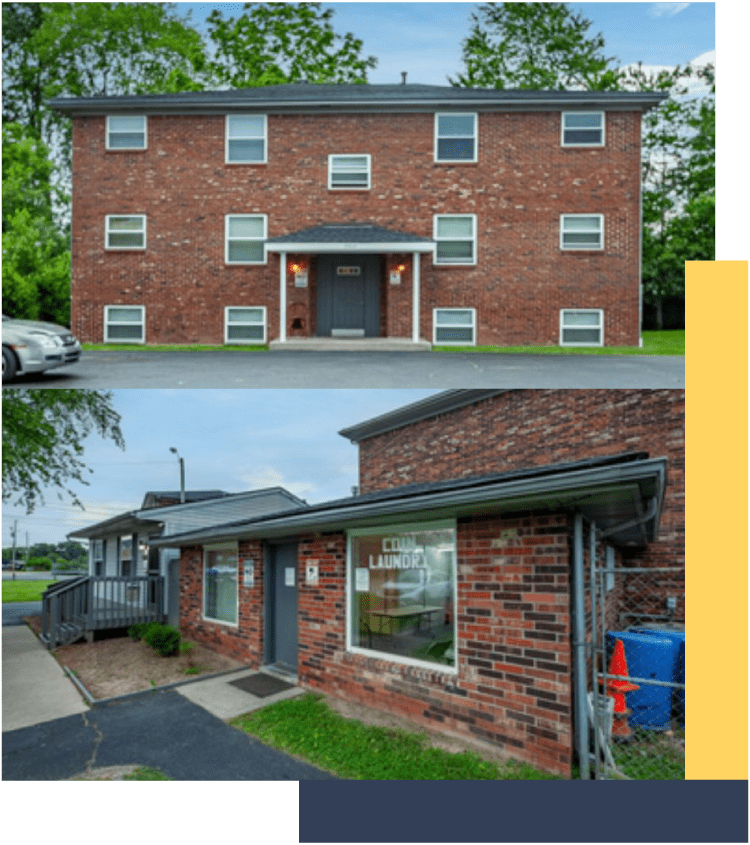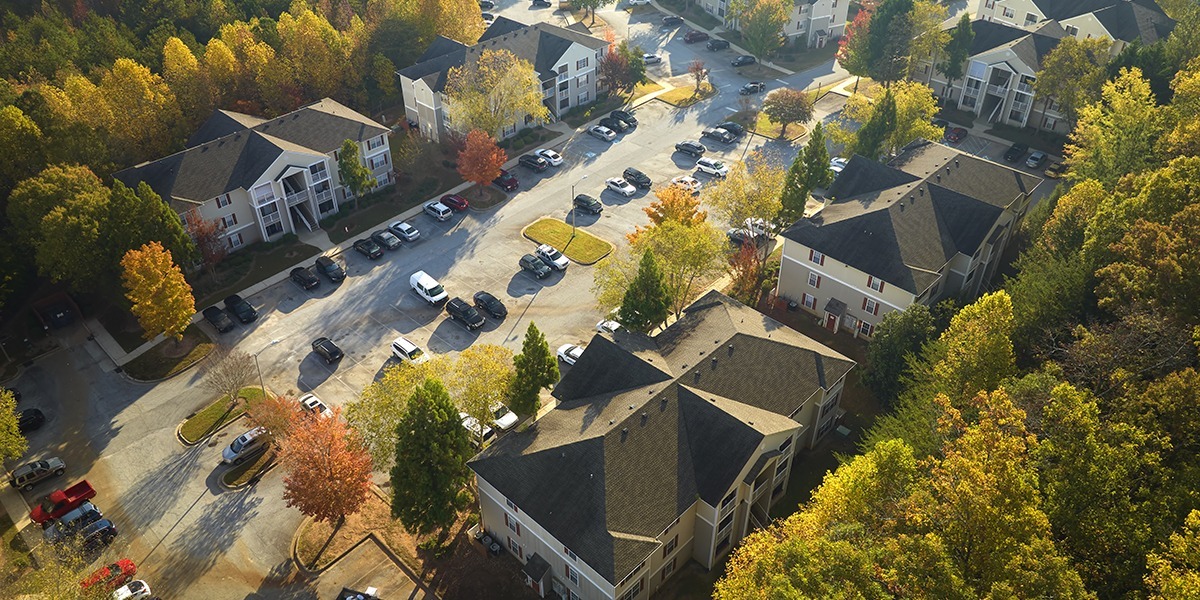
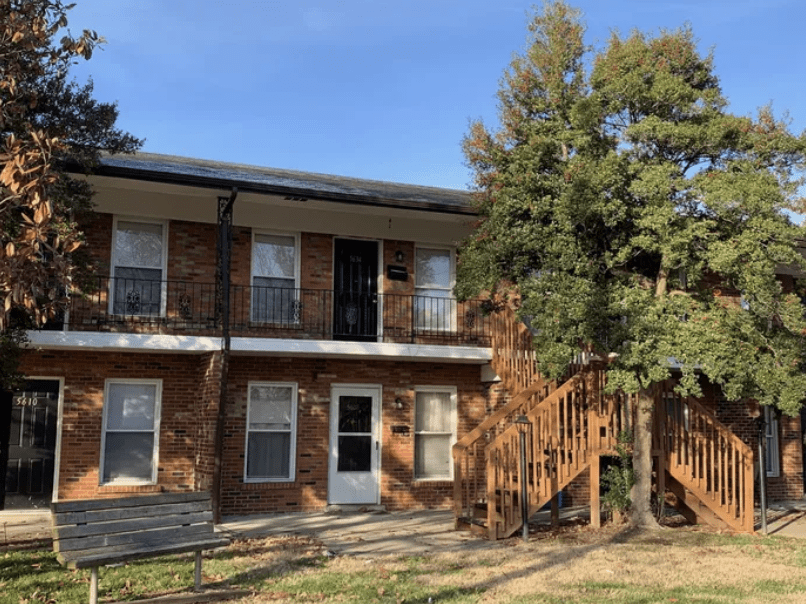
Anyone can make a deal look good in a spreadsheet. The harder part is making the property actually perform after closing. That is where a lot of value-add stories get tested. A business plan can point in the right direction, but it cannot collect rent, complete a turn, answer a resident, catch a leak, or keep a property clean. Those things happen in operations.
In the current market, operational execution carries more of the load than people want to admit. Rent growth does not cover for weak collections. A strong acquisition basis does not solve poor maintenance follow-through. A compelling investor presentation does not protect NOI when units sit vacant too long or when expenses drift because nobody is paying attention to details. At the property level, value is not created by spreadsheet theory. It is created by a series of repeatable actions done well, week after week.
That is why we treat operations as part of the investment strategy itself, not as an administrative layer sitting underneath it. The SOP makes that clear. Property managers are expected to conduct regular walk-through inspections, market-rate analysis is expected on a quarterly basis, move-out inspections happen within 48 hours, monthly financial reconciliations follow a defined calendar, and EOS rhythms create recurring accountability around rocks, scorecards, and unresolved issues. That structure reduces drift. It keeps the team from operating on memory, mood, or whatever feels urgent in the moment.
What makes that operational discipline more meaningful is that it is tied to a clear philosophy. Plowshares does not present operations as a sterile set of procedures. The SOP ties daily execution back to three core values: we care for people, we leave places better than we found them, and we finish the last 2%. Responsive maintenance is framed as part of resident well-being. Leasing is expected to be transparent, fair, friendly, and efficient. Team members are taught to think about whether a place is better because they were there and whether the last part of the job actually got finished.
This connection matters. There is a lazy way to talk about property operations that separates resident experience from financial performance, as if one is soft and the other is hard. In practice, they reinforce each other. Better communication supports renewals. Faster work order response supports retention. Cleaner common areas support reputation. More organized turns support occupancy. More disciplined vendor management supports expense control. When people are cared for consistently, the property tends to perform better. When teams leave places better than they found them, the asset gets stronger over time.
NOI is just the financial expression of all that work. It reflects whether the property is running with discipline or not. It captures whether lost days are being reduced, whether delinquencies are being addressed, whether spending is tied to a process, and whether residents are having the kind of experience that keeps them in place. Investors often encounter NOI as a number on a report, but at the property level it is the accumulated result of hundreds of operating decisions.
That is why we believe underwriting sets the target, but operations determines whether the target is reached. The properties that consistently create value are usually not the ones with the flashiest story on social media. They are the ones where the team keeps doing the ordinary things well: walking the property, responding quickly, pricing intelligently, following through, reconciling accurately, and finishing the last 2%. Over time, that is what protects income, strengthens value, and turns a plan into a return.